
The Importance of Durable Jacquard Patterns in Home Textile Manufacturing
1. Introduction to Jacquard Patterns
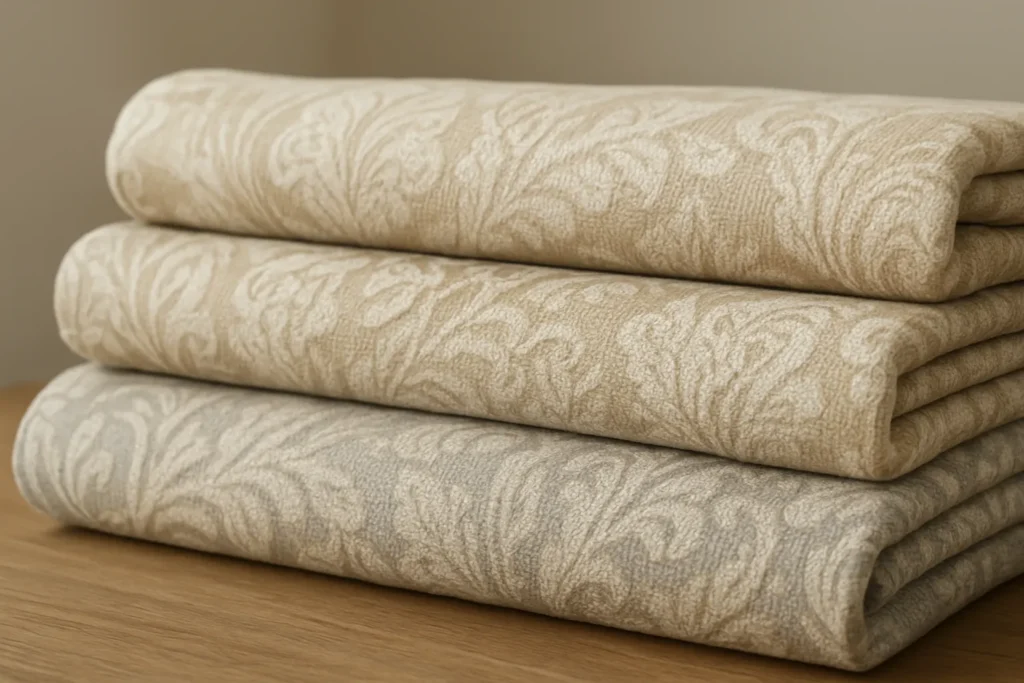
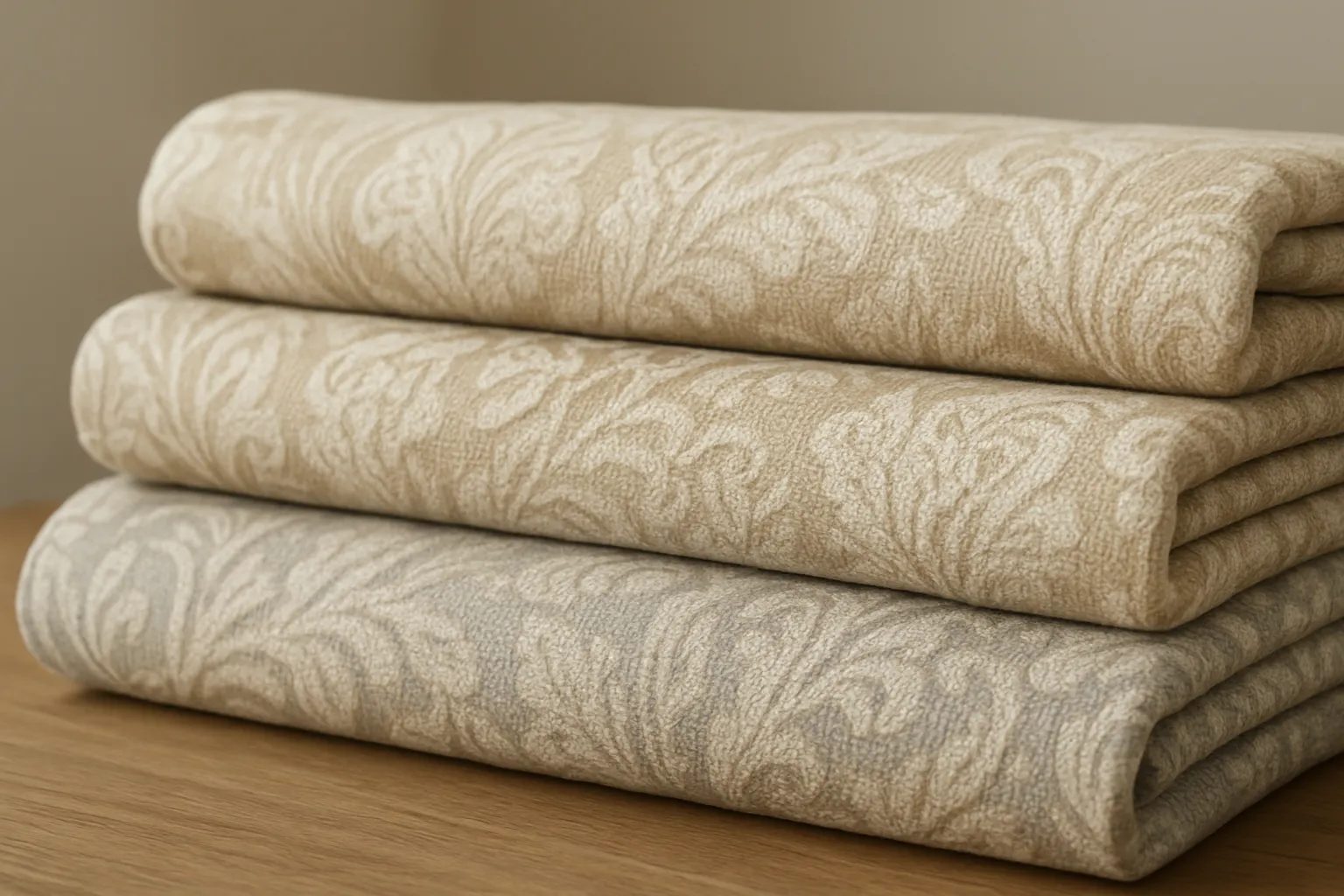
Jacquard patterns are intricate designs crafted using a unique weaving technique that enables the formation of complex patterns directly into the fabric. Named after Joseph Marie Jacquard, the inventor of the loom that transformed textile production in the early 19th century, these patterns are renowned for their ability to produce detailed motifs and textures that are visually stunning and tactilely engaging. In the home textiles sector, Jacquard patterns are synonymous with quality and sophistication, providing a distinctive aesthetic that enhances the overall design of various products, from upholstery to curtains and bedding.
Home textiles encompass a wide range of products designed for residential use, including table linens, drapery, and decorative cushions. The incorporation of durable Jacquard patterns into these products not only boosts their visual appeal but also significantly enhances their functionality and longevity. As consumers increasingly focus on quality and durability in their purchasing decisions, manufacturers must recognize the importance of integrating these robust patterns into their offerings. For more insights on home textiles, visit Products – Hangzhou Xiaoshan Wangkai Home Textile Products.
2. Significance of Durability in Textile Manufacturing
Durability is a crucial factor in the textile manufacturing industry, especially for home textiles, which endure regular use and wear. The influence of durability on product longevity cannot be overstated; textiles that can withstand daily use without fading or fraying provide greater value to consumers and lessen the frequency of replacements. This not only benefits the end-users but also bolsters the manufacturer’s reputation for quality.
From a cost perspective, investing in durable Jacquard patterns can lead to substantial savings for manufacturers. By utilizing high-quality materials and production techniques, companies can minimize returns and warranty claims associated with inferior products. Additionally, durable textiles often command higher price points in the market, enabling manufacturers to achieve improved profit margins while satisfying consumer demand for long-lasting home textiles. For further details on durability in textiles, refer to this industry reference.
3. Specifications of Durable Jacquard Patterns
To ensure the desired durability in Jacquard patterns, several specifications must be taken into account:
– Material Choices: The foundation of any durable textile lies in the materials used. Common choices for Jacquard fabrics include cotton, polyester, and blends that combine the best attributes of both fibers. Cotton offers breathability and comfort, while polyester enhances strength and resistance to wrinkles and fading.
– Weaving Techniques: The method of weaving is vital in determining the durability of Jacquard patterns. Advanced techniques, such as using high-twist yarns and tighter weave structures, can significantly bolster the fabric’s resilience against wear and tear.
– Colorfastness and Maintenance: Durable Jacquard patterns must also exhibit excellent colorfastness, ensuring that colors remain vibrant after repeated washing and exposure to sunlight. Manufacturers should prioritize fabrics that are easy to maintain, allowing consumers to enjoy their home textiles without the burden of complicated care instructions.
4. Use Cases of Durable Jacquard Patterns
Durable Jacquard patterns are versatile and find applications across various sectors:
– Residential Applications: In homes, Jacquard patterns are commonly utilized in upholstery for sofas and chairs, combining aesthetic appeal with durability. They are also popular in bedding and drapery, where the fusion of style and strength is crucial.
– Commercial Applications: In the commercial sector, durable Jacquard patterns are perfect for hotels and restaurants, where textiles must endure heavy usage while maintaining a luxurious appearance. Tablecloths, napkins, and decorative pillows featuring Jacquard patterns can enhance the ambiance of any space.
– Seasonal Trends and Innovations: As trends in home decor evolve, so do the designs of Jacquard patterns. Manufacturers can capitalize on seasonal trends by introducing innovative patterns and colors, ensuring that their product lines remain fresh and appealing to consumers.
5. Comparing Durable Jacquard Patterns with Other Textile Patterns
Understanding the distinctions between Jacquard patterns and other textile patterns is essential for manufacturers:
– Jacquard vs. Print Patterns: Unlike printed patterns, which apply designs to the surface of the fabric, Jacquard patterns are woven into the fabric itself. This results in a more durable product that can withstand washing and wear without losing its design integrity.
– Jacquard vs. Woven Patterns: While both Jacquard and woven patterns involve interlacing threads, Jacquard patterns allow for more complex designs due to the use of programmable looms. This complexity often results in a more luxurious appearance and feel.
– Performance Metrics: When comparing performance metrics, durable Jacquard patterns often outperform simpler woven or printed textiles in terms of longevity, resistance to fading, and overall aesthetic appeal.
6. Sourcing Durable Jacquard Patterns
For manufacturers aiming to incorporate durable Jacquard patterns into their product lines, sourcing is a critical step:
– Finding Reliable Suppliers: Establishing relationships with reputable suppliers who specialize in high-quality Jacquard fabrics is essential. Manufacturers should seek out suppliers with a proven track record of delivering durable textiles.
– Evaluating Quality Standards: It is important to assess the quality standards of potential suppliers. This includes reviewing certifications, conducting fabric tests, and requesting samples to ensure the materials meet durability expectations.
– Cost Considerations: While durable Jacquard patterns may come at a higher initial cost, the long-term benefits in terms of reduced replacement rates and enhanced consumer satisfaction can justify the investment.
7. Implementation Strategies for Manufacturers
Successfully integrating durable Jacquard patterns into production requires strategic planning:
– Integrating Jacquard Patterns into Production: Manufacturers should develop a clear plan for incorporating Jacquard patterns into their existing product lines, including design development and production timelines.
– Quality Control Processes: Implementing stringent quality control processes ensures that every batch of fabric meets durability standards. Regular inspections and testing can help catch any issues early in the production process.
– Marketing Durable Products: Highlighting the durability of Jacquard patterns in marketing efforts can attract consumers who prioritize quality. Effective messaging that emphasizes both the aesthetic and functional benefits of these textiles can enhance brand reputation and drive sales.
8. Frequently Asked Questions (FAQs)
– What are the benefits of Jacquard patterns?
Jacquard patterns offer intricate designs, durability, and versatility, making them ideal for various home textile applications.
– How do I choose the right Jacquard pattern for my needs?
Consider factors such as the intended use, color scheme, and maintenance requirements when selecting a Jacquard pattern.
– What maintenance is required for Jacquard textiles?
Most Jacquard textiles can be maintained with regular washing according to care instructions, and they typically resist fading and wear better than simpler patterns.
Conclusion
Durable Jacquard patterns play a pivotal role in the home textile manufacturing industry, offering a blend of aesthetic appeal and long-lasting functionality. As manufacturers strive to meet the demands of quality-conscious consumers, integrating these patterns into their product lines can significantly enhance their market position. By focusing on specifications, sourcing, and implementation strategies associated with durable Jacquard patterns, manufacturers can ensure they remain competitive in an ever-evolving marketplace.