
Eco-Friendly Textiles: A Guide for B2B Buyers and Sustainability
As sustainability increasingly becomes a cornerstone of consumer preferences, eco-friendly textiles are experiencing a significant surge in popularity within the home textiles industry. Eco-friendly textiles, produced with minimal environmental impact, often employ sustainable practices throughout their lifecycle—from production to disposal. Not only do these eco-friendly textiles meet the functional needs of consumers, but they also resonate with the growing demand for responsible consumption. For B2B buyers, understanding the significance of eco-friendly textiles can lead to enhanced product offerings, improved brand reputation, and greater customer loyalty.
Specifications of Eco-Friendly Textiles
When delving into eco-friendly textiles, it’s essential to grasp the various specifications that define their quality and sustainability.
Material Types
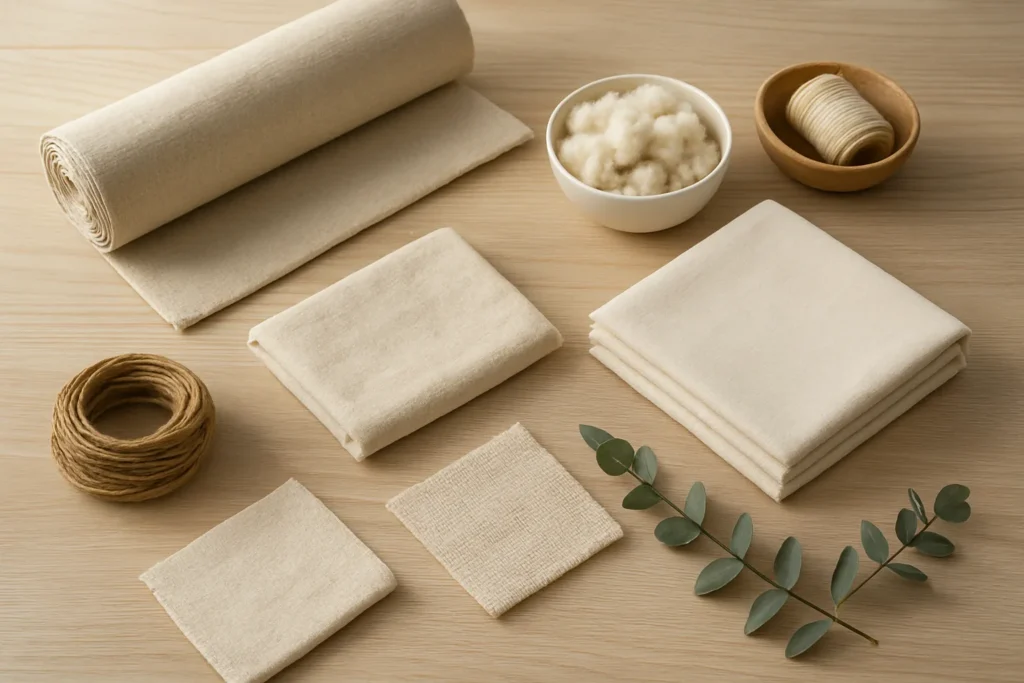
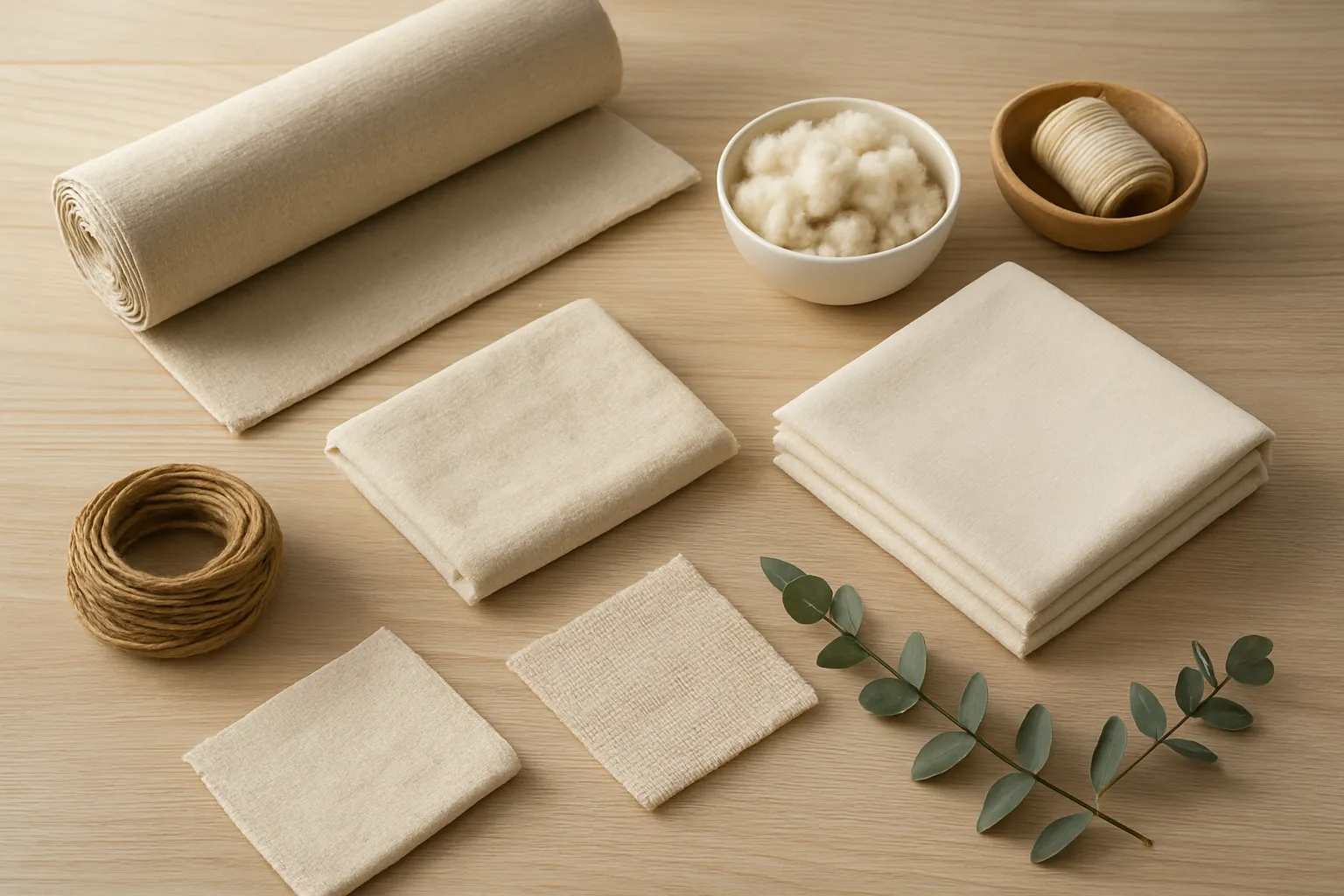
Eco-friendly textiles can be crafted from a variety of materials, both natural and recycled. Common natural fibers include organic cotton, linen, hemp, and bamboo, which are cultivated without harmful pesticides or chemicals. Additionally, recycled materials, such as recycled polyester, are gaining traction as they help reduce waste and utilize existing resources.
Certifications and Standards
Certifications are crucial in validating the sustainability of textiles. Buyers should look for standards such as the Global Organic Textile Standard (GOTS), OEKO-TEX, and Fair Trade certifications. These labels ensure that the textiles meet specific environmental and social criteria, providing buyers with the assurance of their eco-friendliness.
Performance Characteristics
Eco-friendly textiles must not only be sustainable but also meet performance expectations. This encompasses durability, ease of maintenance, and comfort. Buyers should evaluate whether the textiles can endure daily use while retaining their aesthetic appeal.
Use Cases for Eco-Friendly Textiles
The versatility of eco-friendly textiles allows for a wide range of applications, making them a valuable addition to any product line.
Residential Applications
In residential settings, eco-friendly textiles are frequently utilized in bedding, curtains, upholstery, and towels. Consumers are increasingly seeking products that are stylish yet safe for their families and the planet. By offering eco-friendly options, brands can enhance their appeal in the competitive home textiles market.
Commercial Applications
For businesses, eco-friendly textiles are becoming essential in hotels, restaurants, and offices. These establishments are adopting sustainable practices to attract eco-conscious consumers. Products such as table linens, uniforms, and decorative fabrics made from eco-friendly textiles can significantly elevate a brand’s image.
Specialty Uses
Beyond residential and commercial applications, eco-friendly textiles find niche uses in sectors like healthcare, where antimicrobial properties are vital, and in outdoor gear, where durability and minimal environmental impact are critical considerations.
Comparing Eco-Friendly Textiles
When evaluating eco-friendly textiles, it’s essential to compare different options to make informed purchasing decisions.
Natural vs. Synthetic Options
Natural textiles, while often more sustainable, can sometimes be pricier than synthetic alternatives. However, advancements in technology have led to the creation of synthetic textiles made from recycled materials, which can offer similar benefits at a lower cost.
Cost Analysis
Although eco-friendly textiles may have a higher initial cost, the long-term savings from durability and reduced environmental impact should be factored into the overall cost analysis. B2B buyers should consider the total cost of ownership rather than just the upfront price.
Durability and Maintenance
Durability is a critical factor in evaluating eco-friendly textiles. Natural fibers may require more care, while synthetic options might be easier to maintain. Understanding the maintenance requirements can help buyers select products that align with their customers’ needs.
Sourcing Eco-Friendly Textiles
Finding the right suppliers for eco-friendly textiles is crucial for B2B buyers aiming to integrate these products into their offerings.
Finding Reliable Suppliers
Begin by researching suppliers who specialize in eco-friendly textiles. Trade shows, industry directories, and online platforms can be excellent resources for identifying potential partners.
Evaluating Supplier Practices
Once potential suppliers are identified, assess their sustainability practices. This includes understanding their sourcing methods, production processes, and labor practices. A supplier committed to sustainability will often have transparent policies and certifications.
Supply Chain Transparency
Transparency in the supply chain is vital for ensuring the authenticity of eco-friendly textiles. Buyers should seek suppliers who can provide detailed information about the origins of their materials and the environmental impact of their production processes.
Implementing Eco-Friendly Textiles in Your Business
Integrating eco-friendly textiles into your product offerings requires a strategic approach.
Integration into Existing Product Lines
Consider how eco-friendly textiles can complement your current product lines. This may involve redesigning existing products or introducing new lines that highlight sustainable materials.
Marketing Eco-Friendly Products
Effective marketing is essential for promoting eco-friendly textiles. Highlight their benefits, such as sustainability, health safety, and style, in your promotional materials to attract eco-conscious consumers.
Training for Staff and Stakeholders
Educating your team about the benefits of eco-friendly textiles can enhance their ability to sell these products. Training sessions can help staff understand the value proposition of eco-friendly textiles and how to communicate it effectively to customers.
Frequently Asked Questions
What are the benefits of using eco-friendly textiles?
Eco-friendly textiles offer numerous advantages, including reduced environmental impact, improved health safety, and enhanced brand reputation. They cater to a growing segment of consumers who prioritize sustainability in their purchasing decisions.
How do I verify the sustainability claims of a supplier?
To verify sustainability claims, look for third-party certifications, request documentation on sourcing and production practices, and engage in direct discussions with suppliers about their sustainability policies.
What trends are shaping the future of eco-friendly textiles?
The future of eco-friendly textiles is being shaped by innovations in material science, increased consumer awareness of sustainability, and regulatory pressures for environmentally responsible practices. Trends such as circular economy initiatives and biodegradable textiles are also gaining momentum.
Conclusion
As the demand for sustainable products continues to rise, eco-friendly textiles present a significant opportunity for B2B buyers in the home textiles sector. By understanding the specifications, use cases, and sourcing strategies for these materials, businesses can align themselves with consumer values and contribute to a more sustainable future. Embracing eco-friendly textiles not only enhances product offerings but also strengthens brand loyalty and market presence in a competitive landscape.