
Understanding Comfortable Bed Linens for Importers: A Guide
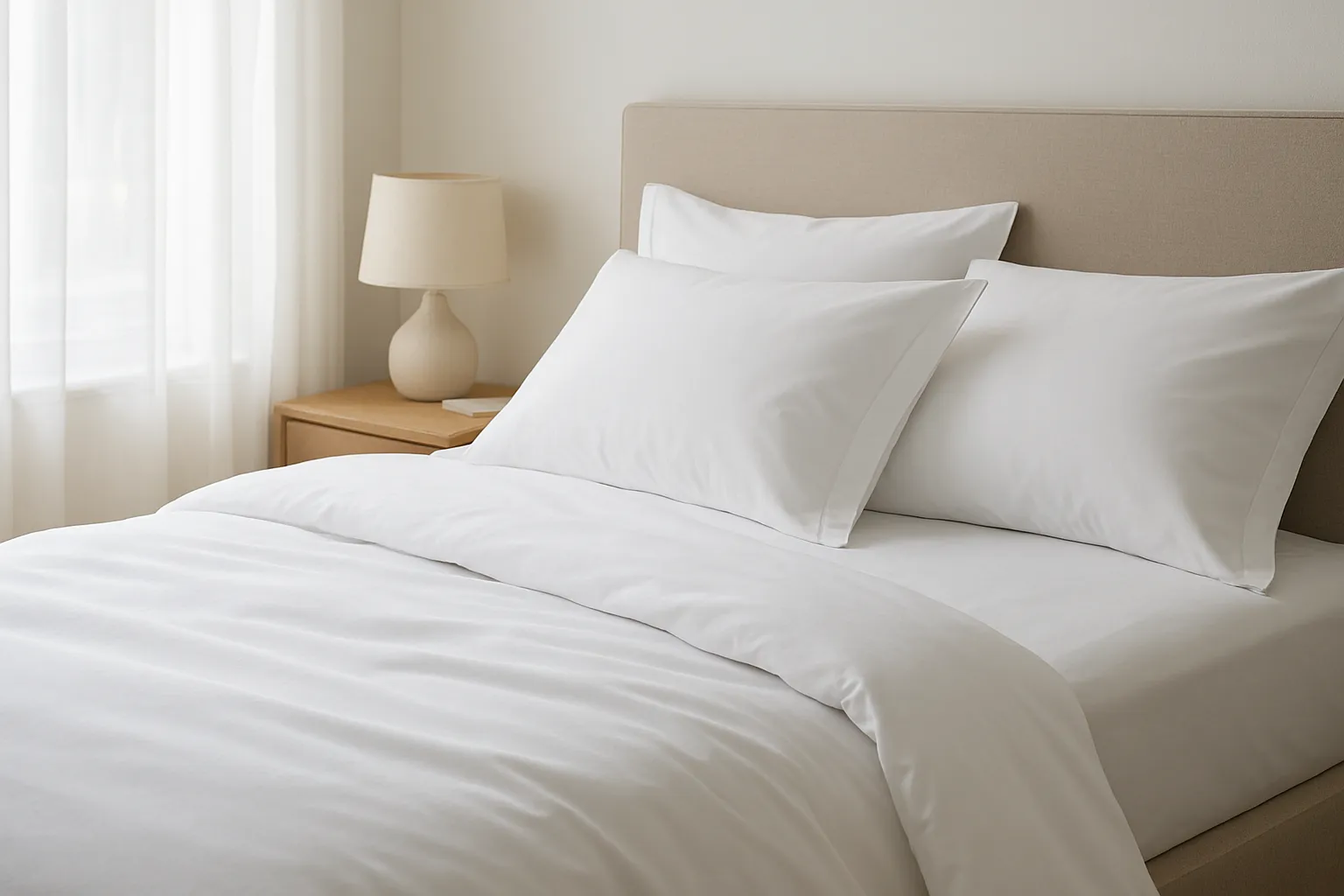
In today’s competitive home textile market, the importance of comfortable bed linens is paramount. For importers in this sector, grasping the nuances of quality bed linens is essential to meet consumer expectations and stay ahead of industry trends. Quality bed linens not only enhance sleep quality but also contribute significantly to the overall aesthetic and comfort of a bedroom. As consumers increasingly seek comfort and luxury in their home textiles, the bed linen market is evolving, with a clear shift towards sustainable materials, innovative designs, and enhanced functionality.
Specifications for Comfortable Bed Linens
When selecting comfortable bed linens, there are several key specifications that importers should keep in mind.
- Fabric Types and Their Benefits: The fabric choice is crucial for achieving optimal comfort levels in bed linens. Cotton is a perennial favorite due to its breathability and softness. Egyptian cotton, with its long fibers, not only offers superior durability but also an exquisite feel. Conversely, linen is renowned for its moisture-wicking capabilities, making it a fantastic option for warmer climates. Microfiber, a synthetic alternative, is often chosen for its affordability and ease of maintenance. Understanding the unique benefits of each fabric type helps importers cater to a diverse range of consumer preferences.
- Thread Count: What You Need to Know: Thread count refers to the number of threads woven into a square inch of fabric and is often linked to the quality of bed linens. While a higher thread count can suggest softer and more durable linens, it’s essential to find a balance with fabric type. Generally, a thread count between 300 and 500 is considered optimal for comfortable bed linens. Importers should educate themselves on how thread count interacts with different fabrics to make informed sourcing decisions.
- Finishing Techniques for Enhanced Comfort: The finishing techniques applied to bed linens can significantly influence their feel and performance. Techniques like mercerization enhance the luster and strength of cotton, while enzyme washes create a softer texture. Importers should seek suppliers who utilize advanced finishing techniques that not only improve comfort but also extend the longevity of the products.
Use Cases for Bed Linens
Understanding the various use cases for bed linens can help home textile importers effectively tailor their offerings.
- Residential vs. Commercial Applications: Bed linens serve distinct purposes in residential and commercial settings. For residential use, consumers often prioritize comfort and aesthetics, whereas hotels and other commercial establishments value durability and ease of maintenance. Importers should keep these differences in mind when selecting products to ensure they meet their target markets’ specific needs.
- Seasonal Considerations for Bed Linens: Seasonal changes can significantly impact consumer preferences for bed linens. For example, lighter fabrics like cotton or linen are typically favored during the summer months, while heavier materials such as flannel or sateen are preferred in winter. Importers should anticipate these seasonal shifts and stock a diverse range of products to meet evolving consumer demands.
- Target Demographics and Preferences: Different demographics exhibit varying preferences regarding bed linens. Younger consumers may be drawn to trendy designs and affordability, while older demographics might prefer classic styles and high-quality materials. Understanding these target demographics can aid importers in developing tailored marketing strategies and product offerings.
Sourcing Quality Bed Linens
Sourcing quality bed linens is a critical step for home textile importers.
- Identifying Reliable Suppliers: The first step in sourcing is identifying reliable suppliers who can provide high-quality bed linens. Importers should conduct thorough research, seeking suppliers with a proven track record and positive reviews. Attending textile trade shows and industry events can also help establish valuable connections with reputable manufacturers. For more insights on sourcing, visit our services page.
- Evaluating Material Quality: After identifying potential suppliers, evaluating the quality of materials is essential. Importers should request samples to assess fabric feel, durability, and overall quality. It’s also crucial to inquire about the sourcing of raw materials to ensure ethical practices are being followed.
- Understanding Import Regulations: Import regulations can vary significantly from country to country, and home textile importers must be knowledgeable about these regulations to avoid costly delays and penalties. Familiarizing oneself with customs requirements, tariffs, and labeling standards is vital for smooth import operations.
Cost Considerations and Budgeting
Cost is a significant factor in the decision-making process for home textile importers.
- Price Range for Quality Bed Linens: The price of bed linens can vary widely based on fabric type, brand, and quality. Importers should establish a clear budget and be aware of the price ranges for different materials. Understanding market pricing can also aid in negotiating better deals with suppliers.
- Cost-Benefit Analysis of Different Fabrics: Conducting a cost-benefit analysis of various fabrics can provide insights into which materials offer the best value for money. While high-end fabrics like Egyptian cotton may come with a higher price tag, their durability and comfort can justify the investment over time.
- Negotiating with Suppliers: Effective negotiation skills can lead to significant cost savings for importers. Establishing long-term relationships with suppliers can also provide leverage for better pricing and terms. Importers should approach negotiations with clear objectives and a thorough understanding of market conditions.
Implementation Strategies for Importers
Once sourcing and budgeting are addressed, importers need to focus on implementation strategies.
- Inventory Management Best Practices: Efficient inventory management is crucial for maintaining product availability and minimizing costs. Implementing inventory tracking systems can help importers keep a close watch on stock levels, ensuring they can respond quickly to market demands.
- Marketing Strategies for Bed Linens: Developing effective marketing strategies is essential for promoting bed linens. Utilizing digital marketing channels, such as social media and email campaigns, can help reach a broader audience. Emphasizing the unique selling points of the linens, such as comfort and sustainability, can also attract potential customers. For more marketing tips, check out our blog.
- Customer Feedback and Adaptation: Gathering customer feedback is invaluable for continuous improvement. Importers should actively seek reviews and suggestions from their clientele, using this information to adapt their product offerings and marketing strategies accordingly.
FAQs About Comfortable Bed Linens
- Common Misconceptions: A prevalent misconception is that higher thread counts always equate to better quality. While thread count is important, factors such as fabric type and finishing techniques also play significant roles in determining comfort.
- Maintenance and Care Tips: To maintain the quality of bed linens, it is essential to follow care instructions, such as washing in cold water and avoiding bleach. Regularly rotating linens can also prolong their lifespan.
- Trends in Consumer Preferences: Current trends indicate a growing preference for sustainable materials and eco-friendly production processes. Importers should stay informed about these trends to align their offerings with consumer values. For further reading on trends, refer to this industry reference.
In conclusion, creating comfortable bed linens involves a multifaceted approach that encompasses understanding fabric types, sourcing quality materials, and implementing effective marketing strategies. Home textile importers who prioritize these considerations will not only meet consumer demands but also establish a strong foothold in the competitive market of bed linens.